
Cost Analysis of Light Steel Villas and Concrete Houses
2024-09-20 15:40
In the construction industry, the cost and economic feasibility of light steel villas compared to traditional concrete houses are of great interest. Both have their advantages and disadvantages. Below is a comparative analysis from multiple aspects to help you make an informed decision.
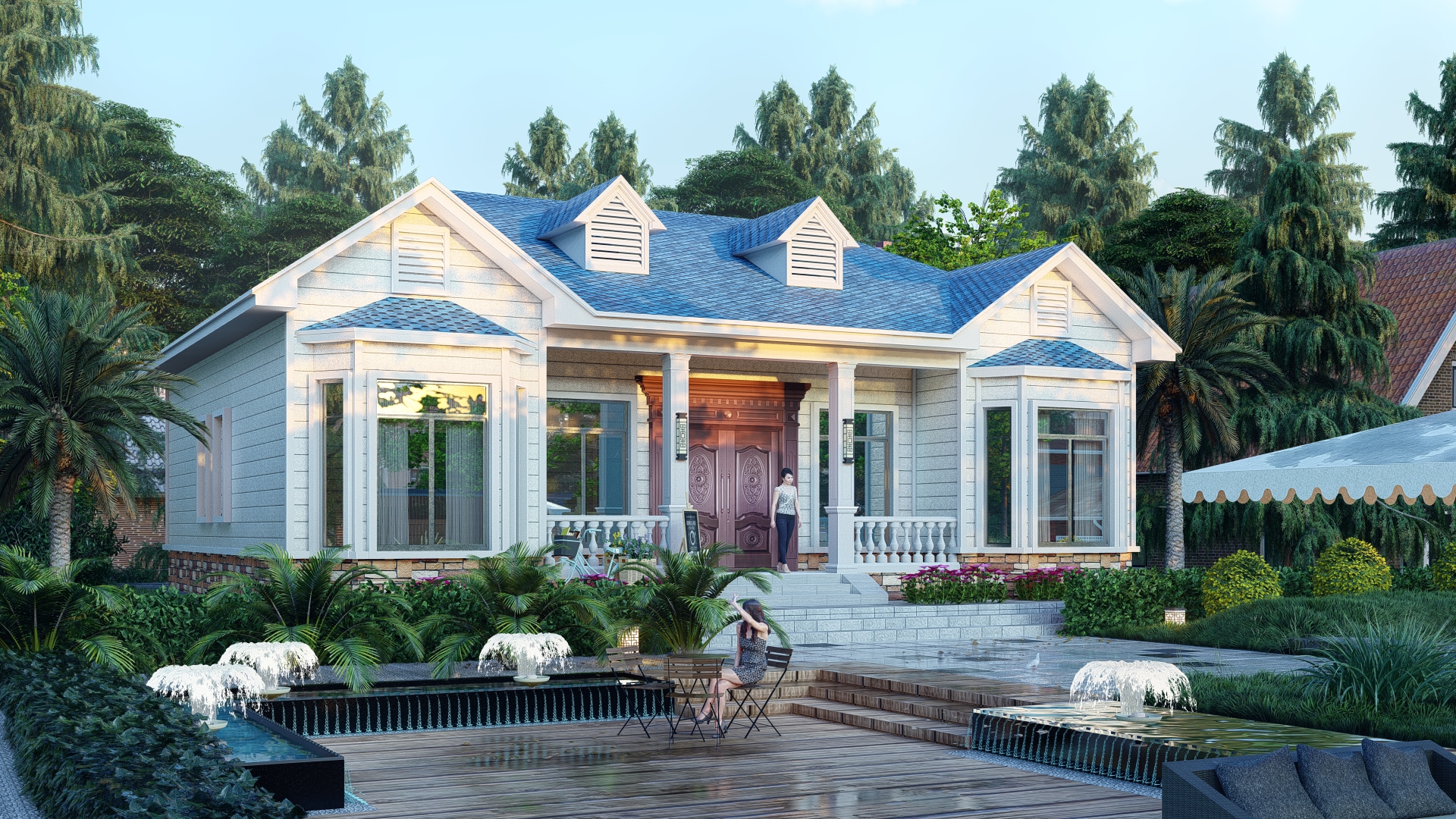
1. Material Costs
Light steel villas use lightweight steel as the main structural material, which is generally lighter and has a lower material cost. In contrast, concrete houses primarily consist of concrete and brick, which are heavier materials and typically incur higher costs. Although steel prices may fluctuate with the market, overall, light steel villas usually offer a cost advantage in material procurement.
2. Construction Costs
The construction period for light steel villas is relatively short, utilizing prefabricated components and quick assembly methods, significantly reducing labor costs. The assembly of light steel structures is straightforward, requiring lower skill levels from workers. On the other hand, concrete houses have a longer construction cycle, involving formwork setup, pouring, and curing, making the process complex and labor-intensive. Therefore, from the perspective of construction costs, light steel villas are more economical.
3. Design Flexibility
Light steel villas offer greater design flexibility, allowing for rapid adjustments to design plans based on needs, accommodating different architectural styles and functional requirements. Concrete houses, however, tend to have more fixed designs, and making alterations may require significant structural changes, increasing both design and construction costs. Thus, the design flexibility of light steel villas can lead to further cost savings.
4. Energy Consumption and Maintenance
The insulation and thermal performance of light steel villas can be improved with high-quality wall materials, which can lower energy consumption in the long run. In terms of maintenance, light steel structures are generally corrosion-resistant, leading to lower maintenance costs. In contrast, concrete houses may require regular maintenance for waterproofing and insulation, resulting in additional long-term costs.
5. Building Lifespan and Stability
Traditional concrete houses typically have a longer lifespan and good compressive strength, making them suitable for areas prone to earthquakes and extreme weather. While light steel villas also demonstrate excellent seismic performance, their resilience in extreme weather conditions may not match that of concrete houses. Thus, when choosing building materials, local climate conditions and geographical features must be considered.
6. Overall Cost Comparison
When considering material, construction, and maintenance costs, the total cost of light steel villas is generally lower than that of concrete houses. For example, the cost of light steel villas typically ranges from 3,000 to 6,000 yuan per square meter, whereas concrete houses may range from 5,000 to 10,000 yuan per square meter, depending on factors such as building size and design complexity.
7. Environmental Impact and Sustainability
Light steel villas have better environmental performance as steel is recyclable, aligning with modern sustainable building practices. In contrast, concrete production has a higher energy consumption and is less recyclable. As environmental awareness increases, the green attributes of light steel villas are gaining more attention.
8. Conclusion
Overall, light steel villas generally have cost advantages, especially regarding construction time, labor costs, and maintenance. However, concrete houses excel in stability, compressive strength, and durability. The choice of building form should ultimately be based on specific needs, budget, and geographical environment. Regardless of the chosen building method, careful planning and design are crucial to ensuring both economic viability and practicality.