
Can Ceramic Tiles Be Installed on the Interior Walls of Light Steel Villas?
2024-08-09 09:50
Tiling the interior walls of a light steel villa is entirely feasible, but specific construction details and considerations must be taken into account. Here is a detailed analysis of tiling interior walls in light steel villas:
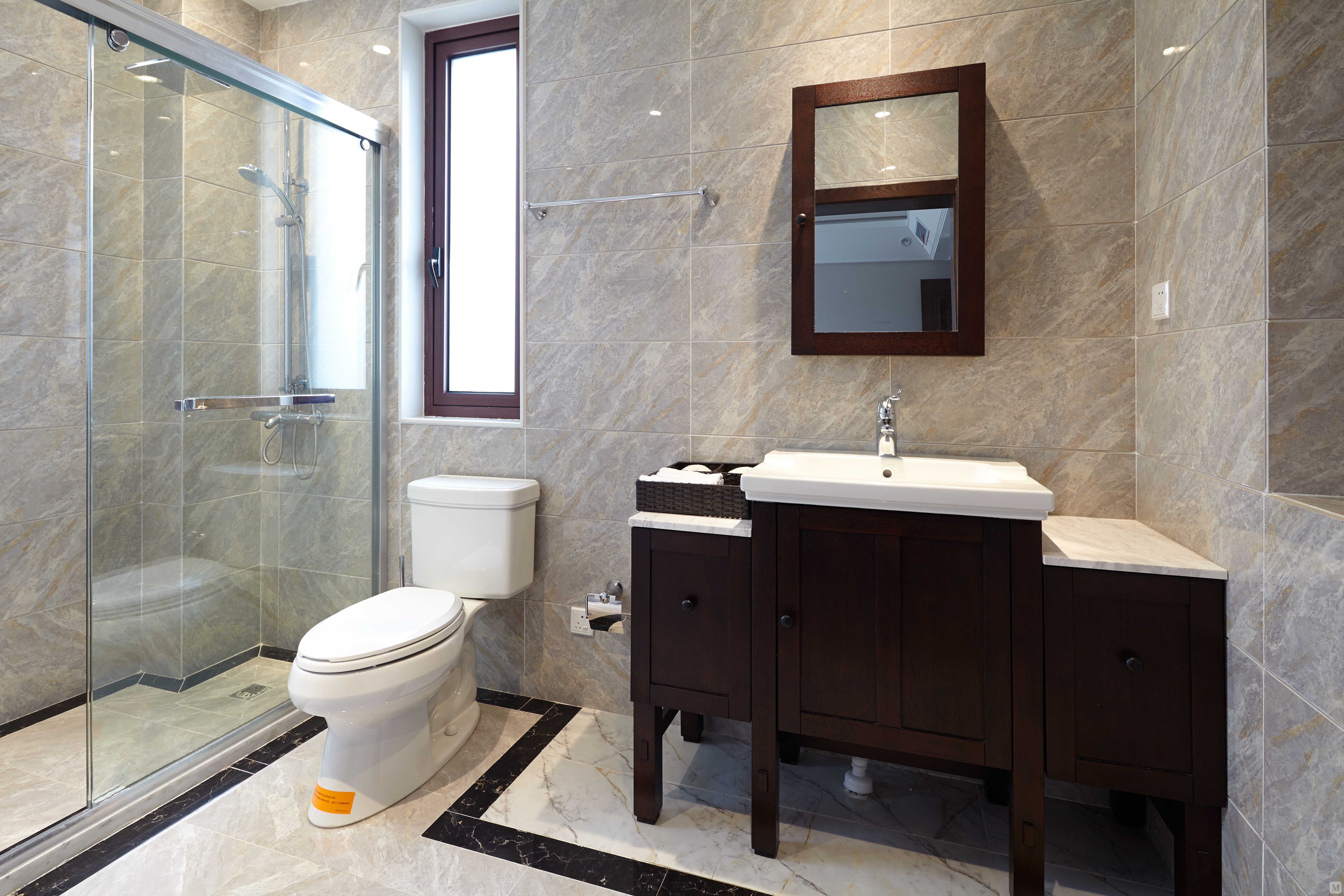
1. Structural Characteristics of Light Steel Villas
Light steel villas typically employ a light steel frame structure, which, compared to traditional concrete frame structures, is lighter and allows for faster construction. The walls of a light steel structure usually consist of a light steel framework combined with gypsum boards or fiber cement boards, offering good fire resistance, moisture resistance, and sound insulation.
2. Choosing the Right Tiles
When selecting tiles, it is essential to consider both the weight of the tiles and the load-bearing capacity of the walls. Large and heavy tiles might put a significant load on the walls, so it is advisable to choose relatively lighter tiles. If large-format tiles are needed, it is recommended to use more robust adhesives and reinforcement measures.
3. Preparing the Walls
Before tiling, ensure that the wall surface is flat, dry, and clean. The walls of a light steel structure are typically covered with gypsum boards or other decorative boards, which should be smooth. The specific steps are as follows:
1. Check Wall Flatness: Use a level or laser level to check the flatness of the wall. If there are noticeable uneven areas, use joint compound to repair them until the surface is smooth.
2. Clean the Wall: Ensure that the wall is free of dust, grease, and other impurities. Use a cleaner and a clean cloth to wipe down the surface, ensuring that the tile adhesive can adhere effectively.
3. Apply a Primer: For walls covered with gypsum boards or similar materials, it is recommended to apply a layer of alkali-resistant primer or a specialized tile adhesive primer to enhance adhesion.
4. Choosing the Right Adhesive
Selecting the appropriate tile adhesive is crucial when tiling the interior walls of a light steel villa. High-strength cement-based adhesives or polymer-modified adhesives are recommended, as these provide better adhesion and stability. Follow the manufacturer's instructions for mixing and applying the adhesive to ensure optimal results.
5. Tiling Procedure
1. Tile Layout and Marking: Before starting, plan the tile layout. Use a marking pen to outline the tile positions on the wall to ensure even and aesthetically pleasing grout lines.
2. Apply Adhesive: Use a notched trowel to evenly spread the adhesive on the wall. Control the thickness of the adhesive to avoid applying too much or too little.
3. Place Tiles: Apply the tiles according to the predetermined markings on the wall. Gently press them to ensure good adhesion. Use spacers to adjust and align the grout lines.
4. Grouting: Once the adhesive has dried, use grout to fill the spaces between the tiles. Choose a grout color that matches the tiles, and apply it evenly to avoid bubbles or cracks.
5. Cleaning and Curing: After grouting, clean the tile surface with a damp cloth to remove any residual grout. It is best to wait for more than 24 hours before using the space to ensure that the adhesive is fully dried and cured.
6. Common Issues and Solutions
?Tile Detachment: This may be due to poor-quality adhesive or improper installation. Use high-quality adhesives and follow the manufacturer's instructions to ensure a strong bond.
?Cracked Grout Lines: This could be due to movement or settlement of the underlying substrate. To prevent this, ensure the wall's stability and allow the adhesive to fully cure.
?Tile Discoloration or Mold: This might be related to a humid environment. While light steel villa walls generally have good moisture resistance, special attention should be given to moisture control in high-humidity areas like bathrooms. Use moisture-resistant grout and ensure proper ventilation.
Conclusion
Tiling the interior walls of a light steel villa is indeed feasible, but it requires attention to the unique aspects of the wall structure during the installation process. By selecting appropriate materials, preparing the wall surface properly, using high-quality adhesive, and following the correct installation procedures, you can achieve a successful and aesthetically pleasing tiling result. Additionally, proper post-installation care and inspection will ensure the long-term stability and appearance of the wall finishes.