
Can a light steel villa be reused after being dismantled?
2024-07-29 21:25
Light steel villas are a modern type of construction that uses lightweight steel structures and offers numerous advantages such as shorter construction periods, energy efficiency, and strong seismic performance. However, the topic of dismantling and reusing light steel villas remains a subject worth exploring. This article will discuss in detail the reuse potential of light steel villas after demolition, analyzing its feasibility, methods, and challenges.
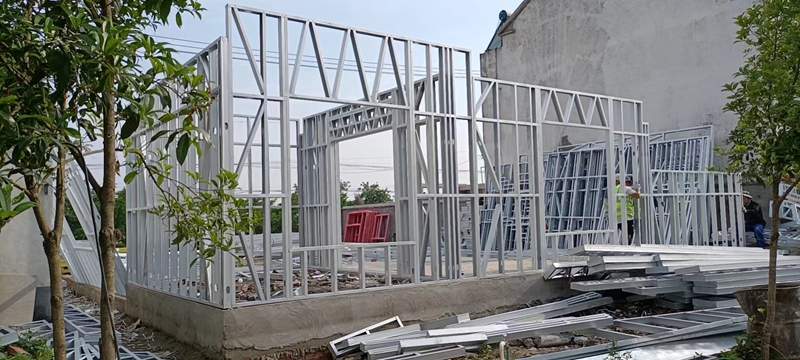
Basic Structure of Light Steel Villas
The basic structure of a light steel villa consists of lightweight steel, composite materials, and external wall insulation materials. Major components include light steel frames, light steel studs, and wall panels. This structure is characterized by its light weight and high strength, which meets the needs of modern construction.
Feasibility of Reuse After Dismantling
1. Material Recyclability
Light Steel Frames and Studs: Light steel frames and studs are primarily made from steel, which has good recyclability. After dismantling, the steel can be recycled and reprocessed into new steel products. Recycling steel not only conserves resources but also reduces waste generation.
Wall Panels: The wall panels of light steel villas are typically composed of various composite materials, such as gypsum boards and fiber cement boards. Recycling these materials is more challenging, but with appropriate processing and sorting, they can still be partially recycled and reused. For example, gypsum boards can be crushed and repurposed as filler in construction materials.
2. Reuse of Structural Components
Light Steel Structural Components: Components such as beams, columns, and supports in light steel villas can be reused after inspection and repair. These components are generally durable and less likely to be damaged, and if handled properly during dismantling and transportation, they can be used in new construction projects.
Building Accessories: Certain building accessories, such as door and window frames, roofing systems, and flooring, can be inspected and reused after dismantling. If these accessories remain in good condition, they can be utilized in other buildings, thus saving costs.
Challenges of Dismantling and Reuse
1. Losses During Dismantling
During the dismantling of light steel villas, although steel and some structural components can be recycled, mechanical operations and handling might cause certain damages to the materials. For instance, welding points might need to be repaired, which could affect the quality of the recycled steel.
2. Material Sorting and Processing
Different building materials require different processing methods. Composite materials, like wall panels, may contain multiple components and require professional sorting and processing for recycling. This process can involve high costs and technical requirements, needing specialized equipment and skilled personnel.
3. Regulations and Standards
The process of dismantling and reusing materials must comply with relevant regulations and standards. For example, some countries or regions have strict regulations on the recycling and handling of construction waste. Ensuring that the dismantling and recycling processes meet these regulations is crucial for achieving sustainable development.
Practical Examples of Reuse After Dismantling
In some countries and regions, the reuse of light steel villas after dismantling has seen practical success. For example:
Japan: The construction industry in Japan emphasizes environmental protection and effective resource utilization. Many demolition companies in Japan have established comprehensive material recycling systems. The recycling and reuse of steel and building accessories are quite advanced in Japan, and many dismantled light steel structural components can be effectively reused.
Europe: Some European countries have extensive experience in handling construction waste, especially in the recycling and reuse of light steel structures. Through policy support and technological innovation, the recycling rate of construction waste has been increasing year by year.
Future Trends and Prospects
With increasing environmental awareness and technological advancement, the reuse of light steel villas after dismantling will receive more attention. Future trends may include:
1. Technological Innovation: The application of new technologies will improve the efficiency and quality of material recycling. For instance, advanced dismantling equipment and automated sorting systems will significantly reduce material losses.
2. Policy Support: Governments and relevant organizations may introduce more policies to support material recycling and reuse, encouraging the construction industry to adopt sustainable dismantling and processing methods.
3. Green Building Design: Future building designs may focus more on reuse potential after dismantling, considering the recyclability and reusability of materials during design to reduce waste from the source.
Conclusion
Light steel villas can be reused after dismantling, but this process involves various challenges, including material sorting, losses during dismantling, and compliance with regulations and standards. Despite these challenges, with technological innovation, policy support, and thoughtful design, the reuse of light steel villas after dismantling has broad prospects. Through ongoing efforts, we can achieve sustainable development in the construction industry and contribute to environmental protection.